Post-Surgical Pain Recovery Support in Mooresville, NC

Recovering from surgery can be harder than people expect. Pain, swelling, stiffness, sleep disruption, and muscle guarding can slow progress and make everyday movement feel exhausting. Whether you’re healing from orthopedic surgery, abdominal surgery, joint replacement, or a minor procedure, acupuncture can be a safe, supportive add-on to your surgeon’s plan—helping you feel more comfortable while your body heals.

At Balance Naturopathic & Acupuncture in Mooresville, NC, we help patients across Mooresville, Lake Norman, Davidson, Cornelius, Huntersville, Troutman, and Statesville recover with personalized, integrative care designed to support pain control, mobility, and nervous system regulation—without interfering with your medical care.
Source: NCCIH — Acupuncture: Effectiveness and Safety

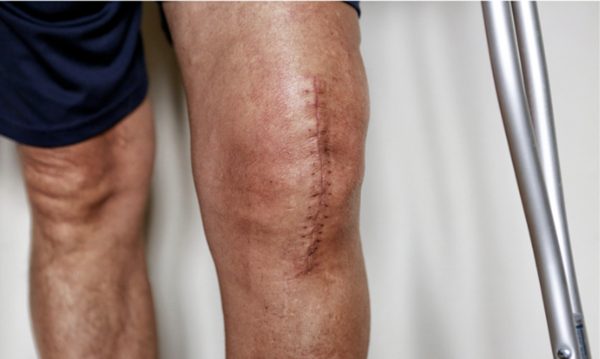
Close-up of a surgical scar on a patient's knee after total knee replacement surgery with crutches.

Gentle, effective acupuncture to reduce pain, swelling, and tension—so you can recover more comfortably and get back to normal sooner.

Why Patients Add Acupuncture After Surgery

Because the goal isn’t just “get through it.” The goal is:

  • Less pain and tightness

  • Easier movement and rehab participation

  • Better sleep and calmer stress response

  • Fewer compensation aches (back/neck/hips)

  • More confidence using the body again

Research supports acupuncture as an adjunct (add-on) therapy that can reduce postoperative pain and reduce opioid requirements in the first 24 hours after surgery in pooled analyses.

Source: Wu et al. (2016) — Systematic Review & Meta-analysis: Acupuncture for Post-operative Pain Management (PLOS ONE)
Source: Wu et al. (2016) — Full text on PubMed Central
Source: Usichenko et al. (2022) — JAMA Network Open: Acupuncture for Postoperative Pain Control (Systematic Review/Meta-analysis)

People often seek acupuncture after surgery for:

  • Pain or soreness around the surgical area

  • Swelling or inflammation

  • Muscle tightness/guarding

  • Limited mobility

  • Nerve irritation, tingling, or numbness

  • Slow tissue recovery and stiffness

  • Sleep disruption

  • Stress or anxiety around healing

  • Compensation pain (neck, back, hips) from altered movement

Acupuncture is supportive care and is typically integrated alongside your surgeon’s recommendations and physical therapy plan.

Common post-surgical symptoms we support
Post-surgical conditions we commonly support

We frequently help patients recovering from:

  • Knee surgery (meniscus, ACL, total knee replacement)

  • Hip surgery or hip replacement

  • Shoulder surgery (rotator cuff, labrum)

  • Back/spinal procedures

  • Abdominal surgery

  • Foot/ankle surgery

  • Hand, wrist, or elbow procedures

  • Cosmetic surgery recovery

Acupuncture is supportive and intended to work alongside medical care.

How Acupuncture Support Post-Surgical Pain & Recovery

Your body heals best when pain is controlled, tissues can move, and the nervous system isn’t stuck in “high alert.” Acupuncture is used to support exactly those systems.

1) Helps reduce pain and may reduce reliance on opioids

Multiple reviews suggest acupuncture and related techniques can reduce pain scores and opioid use—especially in the early postoperative window when pain can spike.

2) Supports circulation and tissue recovery

When circulation improves and guarding decreases, many patients feel less stiff and more able to move comfortably (and participate in rehab).

3) Releases protective muscle tension

After surgery, muscles often “lock down” to protect the area. Targeted treatment can help reduce that tension so the joint or region moves more naturally again.

4) Calms irritated nerves

If you’re dealing with tingling, sensitivity, radiating discomfort, or nerve irritation patterns, gentle acupuncture can help settle the system.

5) Supports sleep and stress regulation

Sleep is one of the strongest predictors of how you feel during recovery. Supporting calm, restorative sleep can reduce pain sensitivity and help the body repair more effectively.

6) Helps prevent compensation pain

When you limp, brace, or avoid movement, the body often pays elsewhere—low back, hips, neck, shoulders. We treat those tension patterns before they become a second injury.

Source: Wu et al. (2016) — Acupuncture reduces postoperative pain and opioid use (Meta-analysis)
Source: Usichenko et al. (2022) — JAMA Network Open systematic review/meta-analysis

Our Approach at Balance Naturopathic & Acupuncture

Your post-surgical recovery plan may include:

1) Gentle, targeted acupuncture

We work around your surgical precautions and focus on the surgical region (when appropriate) and the muscles influencing comfort and mobility.

2) Electro-acupuncture (when appropriate)

Used only when beneficial and well-tolerated, to support pain relief and deeper muscle relaxation.

3) Mobility and tension-pattern assessment

We identify compensations that may be slowing recovery or creating new pain.

4) Integrative recommendations

Simple home strategies may include pacing tools, heat guidance, gentle mobility, breath-based regulation, and sleep-supportive habits.

5) Collaboration with your care team

We coordinate around your surgeon’s guidelines and any physical therapy you’re receiving.

How Many Sessions Are Typically Needed?

Recovery depends on the procedure and your overall health. Many patients start with:

  • 1–2 visits per week for 2–4 weeks, then

  • Taper based on progress and goals

Your plan depends on:

  • Type of surgery

  • Pain severity

  • Swelling/inflammation level

  • Mobility limitations

  • Sleep and stress load

  • Whether you’re also doing physical therapy

Many patients notice improved comfort and smoother movement over time—especially when treatment starts as soon as it’s appropriate for their surgical timeline.

Schedule Post Surgical Pain Recovery Support in Mooresville, NC

If you’re looking for natural, effective support during post-surgical recovery, we’re here to help you feel more comfortable, move with more confidence, and recover with a plan—not just “wait and hope.”